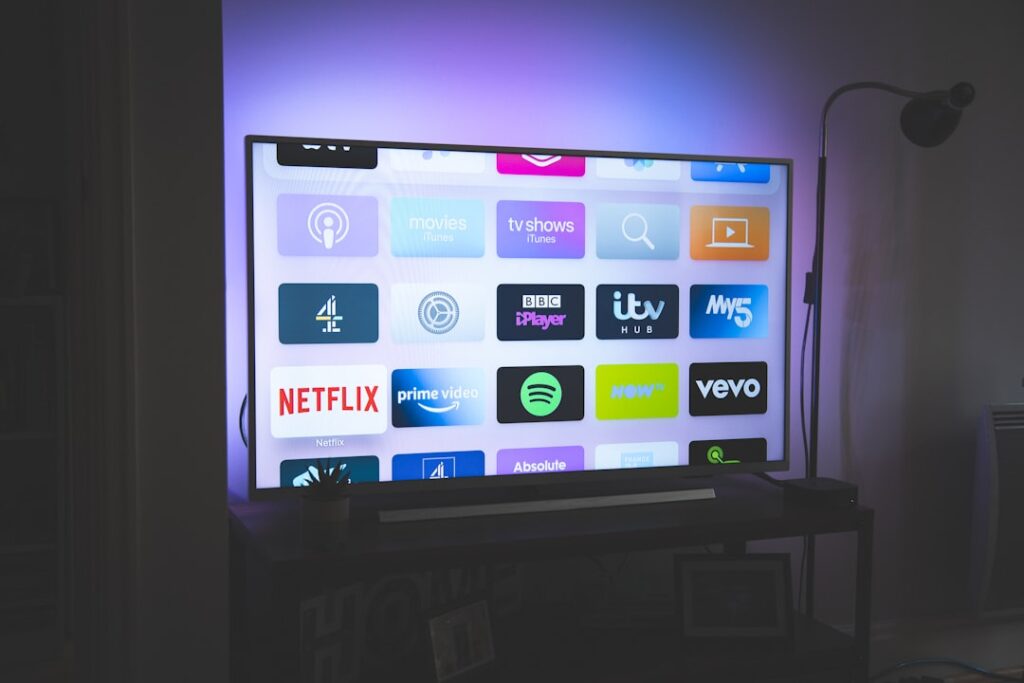
The way people watch television in the Netherlands is changing quickly, and IPTV is at the center of that shift. As more households move away from traditional cable and satellite packages, internet-based TV is becoming a practical, flexible, and often more affordable choice. For viewers who want live channels, on-demand entertainment, and cross-device access without being tied to one screen, IPTV has become an increasingly appealing option. If you want to explore a service built for the Dutch market, Dutch IPTV is one example of how providers are adapting to local viewing habits and expectations.
In this article, we look at the most important IPTV trends in the Netherlands, including the rise of streaming-first viewing, the demand for better device compatibility, the importance of content quality, and the legal factors every viewer should understand. Whether we are talking about sports, international channels, or flexible subscription models, IPTV is reshaping how Dutch audiences consume television.
1. Dutch viewers are moving toward flexible, internet-based TV
One of the clearest IPTV trends in the Netherlands is the shift from fixed TV bundles to more flexible, internet-delivered viewing. Dutch audiences increasingly expect television to work the same way other digital services do: on demand, on multiple devices, and with the freedom to choose what they actually use.
Why this trend is growing
There are several reasons behind this change. First, the Netherlands has strong broadband and fiber infrastructure, which makes high-quality IPTV streaming easier to deliver. Second, many households already rely on services like Netflix, YouTube, and Videoland, so watching TV through the internet feels natural. Third, viewers want control over their entertainment spend and prefer subscriptions that are easier to start, pause, or adjust.
Another important factor is convenience. Traditional television packages often include channels people never watch. IPTV services, by contrast, can feel more tailored. Users can often access live TV, catch-up content, and video on demand from the same interface, making the viewing experience smoother and more modern.
- More control: viewers want customizable channel access and package options.
- More convenience: content is available across smart TVs, smartphones, tablets, and laptops.
- More value: households often look for services that combine live TV and on-demand content in one subscription.
2. Device compatibility and multi-screen viewing matter more than ever
Another major development is the expectation that IPTV should work effortlessly across different devices. In the Netherlands, people no longer expect television to stay in the living room. They want the flexibility to watch on a smart TV at home, continue on a phone during a commute, or stream on a laptop while traveling.
What Dutch viewers expect from IPTV
Compatibility is no longer a bonus; it is a basic requirement. The most competitive IPTV platforms now support popular operating systems, smart TV ecosystems, and streaming devices. That includes Android-based devices, iOS, Fire TV, and browser-based access. The easier it is to install and use a service, the more likely viewers are to stay loyal.
Multi-screen usage is also becoming more common in family households. One person may be watching a live football match while someone else streams a movie or children’s content in another room. IPTV services that allow multiple streams or profiles are better aligned with these habits.
We are also seeing greater demand for user-friendly features such as electronic program guides, favorites lists, cloud-based access, and catch-up playback. These features help IPTV feel polished and practical rather than experimental.
- Smart TV support: Dutch households increasingly prefer large-screen home viewing.
- Mobile access: viewers want TV on the go without losing quality.
- Easy setup: simple installation and clear navigation improve the overall experience.
3. Quality, reliability, and legal awareness are becoming deciding factors
As IPTV becomes more mainstream, users in the Netherlands are paying closer attention to service quality and reliability. A good IPTV experience is not just about the number of channels available. It is about stable streaming, clear picture quality, responsive support, and minimal buffering during peak hours.
Why performance is under the spotlight
Viewers today expect HD and even 4K content where available. They also expect live channels to load quickly and stay stable during popular events like sports matches or major entertainment broadcasts. If a service cannot maintain quality, users may switch quickly to another provider.
At the same time, legal awareness is growing. Dutch consumers are more informed about content rights, licensing, and the difference between legitimate IPTV services and questionable sources. This matters because reliability and legality often go hand in hand. Services that operate transparently and respect content rights are generally more stable in the long run.
For viewers, this means it is important to evaluate IPTV providers carefully. We should look at channel transparency, customer support, streaming consistency, and whether the service clearly explains what it offers. A low price may seem attractive, but a service that frequently buffers or disappears without warning is usually not worth the risk.
- Stream stability: live TV should remain smooth during busy viewing periods.
- Picture quality: HD and 4K access are increasingly expected.
- Trust: clear service terms and support are essential for long-term satisfaction.
4. Local content, sports, and multilingual options are shaping the market
The Dutch IPTV market is also being shaped by content preferences. Viewers in the Netherlands want access to local channels, international entertainment, sports coverage, and multilingual programming. This diversity reflects the country’s broad audience, which includes native Dutch speakers, expats, and multilingual households.
Content variety is a key selling point
Sports remain one of the biggest drivers of IPTV interest. Football, cycling, motorsports, and other live events attract large audiences who value instant access and reliable streaming. At the same time, many users want international channels to stay connected with news, culture, and entertainment from other countries.
Subtitles, audio options, and accessible interface design also play a role. In a multilingual market like the Netherlands, services that support multiple languages can appeal to a wider audience. Families with different viewing preferences may choose IPTV because it makes it easier to bring everything together in one subscription.
We are also seeing more interest in content discovery features. Viewers do not want to scroll endlessly. They want smart search tools, organized categories, and recommendations that help them find something quickly. This is one reason IPTV services that prioritize a clean interface often stand out.
- Local Dutch channels for everyday viewing
- International news and entertainment for expats and multilingual households
- Live sports coverage with stable, low-lag streaming
- On-demand libraries that support flexible viewing habits
The future of IPTV in the Netherlands will likely be defined by convenience, performance, and personalization. As internet speeds improve and viewers continue to move away from rigid TV contracts, IPTV will remain a strong alternative to conventional broadcasting. The winning services will be the ones that combine reliable streaming, broad device support, and content choices that reflect how Dutch households actually watch television.
For consumers, the message is simple: IPTV is no longer just a niche option. It is becoming part of the mainstream media landscape in the Netherlands, and the trends point toward even more flexibility, better quality, and a viewing experience that fits modern life.