An Evening Itinerary in Gangnam: Planning a Team Night Out in Seoul
A simple Gangnam evening plan for a small team after a trade fair: an early walk, dinner, a private karaoke room, a late snack and a safe way home.
- Presented
- Reading time
- 5 min
- Slide list
- 8
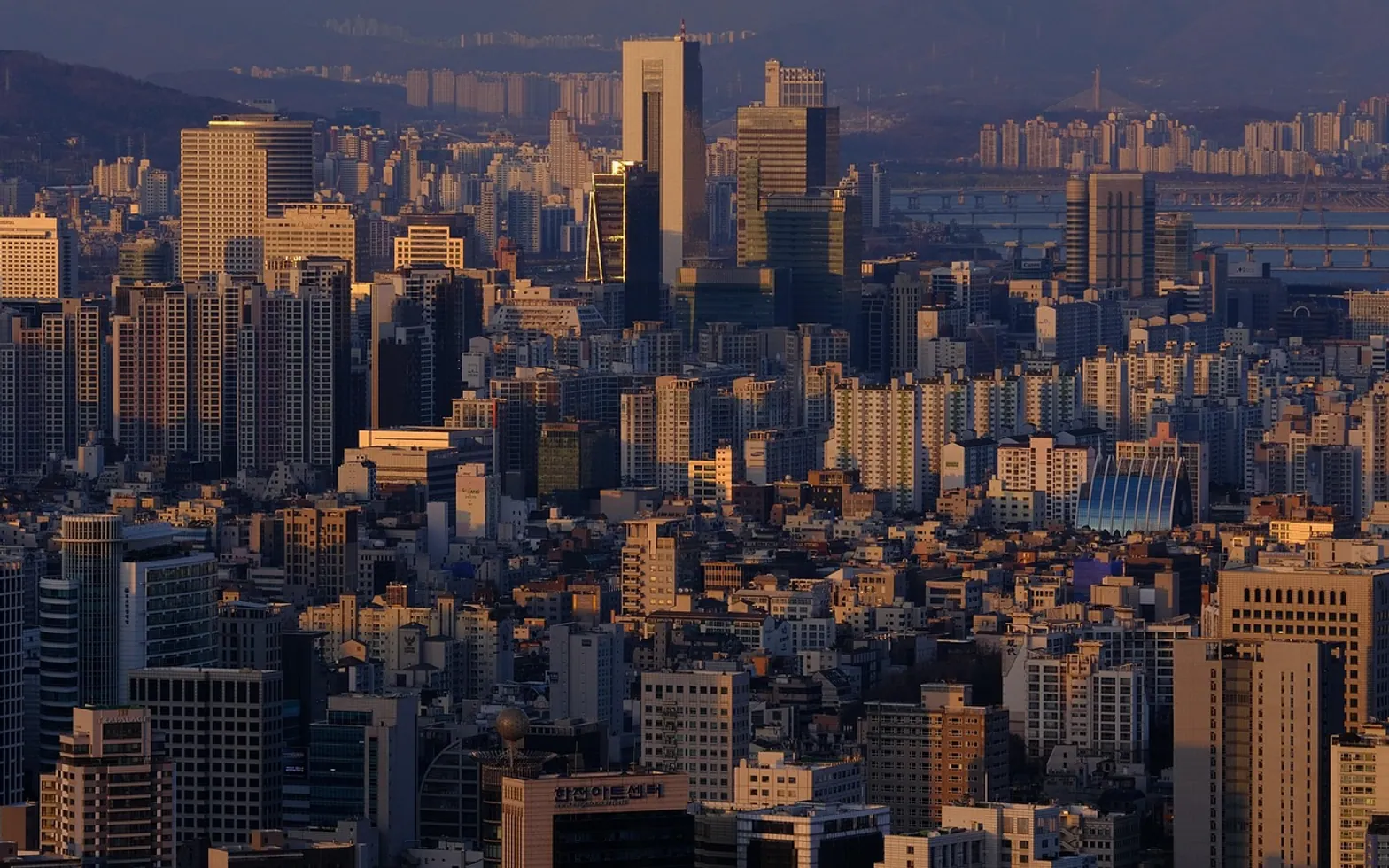
A good team evening in Gangnam follows five simple stages: a short walk while it is still light, a sit-down dinner of Korean barbecue or a set menu, a private karaoke room for the whole group, a late snack, and an agreed plan for getting everyone home. Decide the order and the rough timing before you leave the venue, give one person the job of keeping the group together, and agree how the costs will be shared. That is most of the work; the rest is enjoying a well-earned night after a long stretch on a trade-fair stand.
Small businesses that travel to fairs often spend the whole trip in a hall, a hotel and a taxi. An evening out together is a chance to see the city, talk about what the stand taught you while it is fresh, and thank the people who worked the long days. It does not have to be complicated.
Before you set off: three decisions
- Who is the organiser? One person books, holds the plan and keeps an eye on the time. Everyone else can relax.
- How will you pay? Agree whether the business covers the evening, whether it is split, or a mix: the company pays for dinner and the rest is shared. Saying this out loud avoids awkwardness at every counter.
- What is the end point? Fix a finishing time or a "last call" stage so people who are tired can leave without feeling they are breaking up the party.
Budget planning works best as a ceiling per stage rather than one big number. Set a limit for dinner, one for the karaoke room and one for snacks and transport, then let the organiser track it. If you already plan spending this way at home, the approach in the guide to how much a small business should spend on marketing translates neatly: decide the purpose first, then the amount.
Stage one: an early evening walk
Start while there is still some daylight. Gangnam's wide streets, side lanes of cafés and shops, and nearby green spaces such as the grounds of Bongeunsa temple give a team something to look at that is not a booth or a slide deck. Keep it short and gentle; people have been on their feet all day.
The walk is also a good moment for an informal debrief. Ask two questions only: what surprised you at the fair, and what should we do differently next time? Jot the answers down on a phone before the evening takes over.
Stage two: dinner
Korean barbecue is a natural choice for groups. Everyone shares grills and side dishes, the pace is relaxed, and staff often help with the cooking. A set menu at a sit-down restaurant is a calmer option if some of the team prefer not to cook at the table or have dietary needs to manage.
Tips for a group dinner
- Book a table for the full group if you are more than four or five people.
- Check dietary needs before you choose; barbecue places vary in how much they offer beyond meat.
- Seat the quieter colleagues next to people they know, so nobody spends the meal on their phone.
- If drinks are ordered, pace them and keep water on the table. Know your limits, and nobody drives.
Stage three: a private karaoke room
Korean karaoke takes place in private rooms (noraebang), which is exactly why it suits a work group. Nobody performs in front of strangers, the team has its own space, and people who prefer not to sing can still pick songs, cheer and chat. Rooms are rented by time, so ask how extra time is charged before you start, and confirm the total at the counter.
For larger teams, reserve a room rather than walking in, especially on a weekend. Teams researching options in advance can look at resources on Gangnam Private Karaoke, which explain how group rooms in the district are set up and booked. Share the room name and time in the group chat so anyone who gets separated after dinner knows where to go.
Does everyone have to sing?
No, and it is worth saying so before you arrive. A room works best when singing is an invitation, not a test. Group songs, duets and a rotating "pick the next track" role keep everyone involved without pressure.
Stage four: a late snack
After a couple of hours of singing, most groups are hungry again. Convenience stores, street-food stalls and late-opening restaurants in the area serve quick, simple dishes such as fried chicken, noodles or tteokbokki. This is a good place for the organiser to check in: who is heading back now, and who wants one more stop?
Stage five: getting everyone home
The end of the evening is where team outings most often go wrong, so plan it in daylight. Check when the last subway runs from the nearest station, note your hotel's address in Korean for taxi drivers, and agree that nobody leaves alone if they are unsure of the route.
| Stage | Who handles it | Check before leaving |
|---|---|---|
| Walk | Anyone who knows the area | Comfortable route, short length |
| Dinner | Organiser | Booking, dietary needs, payment plan |
| Karaoke | Organiser | Room size, time block, extensions |
| Late snack | Group decides | Who is staying, who is leaving |
| Home | Everyone | Last train, hotel address in Korean |
Keeping the group together
A shared group chat with a pinned plan does most of the work. Add the restaurant and karaoke room names, the agreed meeting points and the hotel address. Count heads when you leave each stop. If someone wants to leave early, make that easy rather than a matter for negotiation; a team evening should leave people feeling appreciated, not exhausted before the flight home.
What the team takes home
An outing like this is a small investment in the people who represent your business. The shared memory of a dinner and a few songs often does more for team spirit than another round of meetings, and the same thinking sits behind experiential marketing for local businesses: people remember what they took part in. Write down the debrief notes from the walk, send a short thank-you message the next morning, and the evening becomes part of how the team works together.
Got a topic idea?
Corrections are always welcome.
Margin note
Read this before acting on anything here
Our articles describe how marketing and business money generally work. Your trade, your town and your accounts will add details no general guide can see.
For decisions about investments, tax, contracts or legal duties, please talk to a qualified professional who can look at your own figures.
The four writers of this notebook
Insights
Same topic
3