Home›Marketing & Sales›Deck 06 / 26
How AI Headshot Generators Support Personal and Business Branding
How small businesses and freelancers can use AI headshot generators for consistent profile photos, team pages and sales material without losing authenticity.
- Presented
- Reading time
- 3 min
- Slide list
- 5
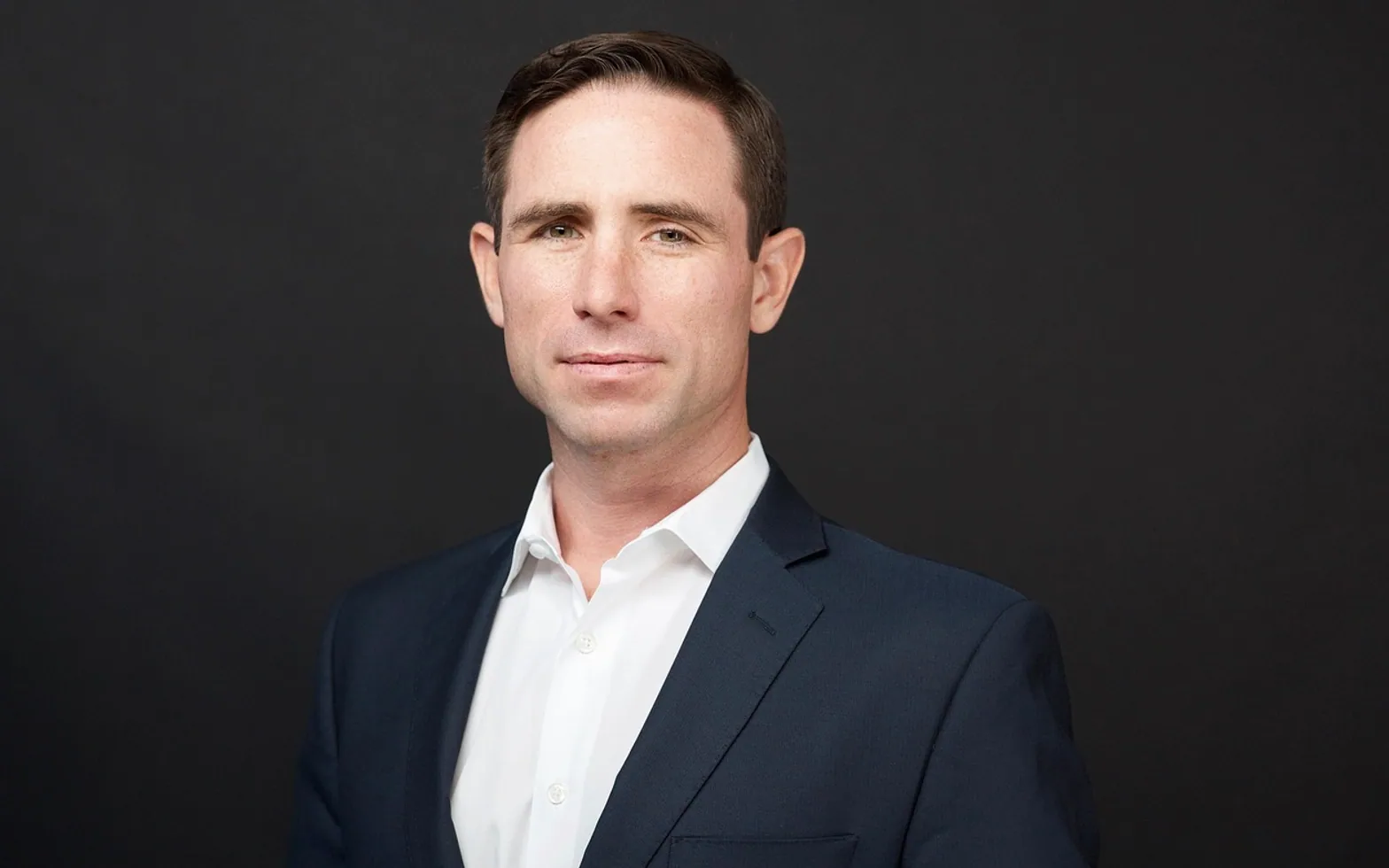
Before a prospect answers an email or books a call, they have usually seen a face: on a LinkedIn profile, a proposal cover, a team page or the signature under a quote. For a small business, those little portraits do a surprising amount of work. They hint at whether the company is organised, current and approachable. AI headshot generators have made it far simpler to keep those images polished, and used with care they can strengthen both personal and company branding.
The problem they solve
Photo shoots are worthwhile but awkward to repeat. Someone joins the team in spring, someone else changes roles in autumn, a freelancer refreshes their portfolio, and suddenly the website shows a patchwork of lighting, crops and backgrounds. Booking a photographer for every change costs time and money that small firms rarely have to spare. An AI tool typically works from a handful of ordinary selfies and produces portraits in a chosen style, so updates can happen when they are needed rather than when a shoot can be arranged.
Personal branding: one recognisable face
For consultants, founders, coaches and job seekers, recognition depends on repetition. The same face, in a similar style, across a profile, a speaker bio and an email signature builds familiarity. AI generators make it easy to produce a small set of variations around one consistent look:
- a formal version for proposals and corporate profiles,
- a warmer, more relaxed version for social posts and newsletters,
- a square crop for avatars and a wider one for banners.
The aim is variety in setting and tone while the person stays instantly recognisable. A portrait that no longer resembles its owner defeats the purpose, because the first video call will reveal the gap.
Company branding: a coherent team page
For businesses, the bigger gain is uniformity. When every portrait on the about page shares the same background family, framing and colour temperature, the company looks deliberate, even if the team is spread across several towns and has never stood in one room together. Several services even offer organizational accounts, which let a manager set a house style once and invite staff to create matching images, keeping the process tidy for growing teams.
A simple rollout plan
- Define the style. Choose background tone, clothing guidance, framing and expression that suit your market.
- Ask, don't assume. Get each person's agreement before generating or publishing their portrait, and let them pick the final image.
- Check the likeness. Reject results that noticeably alter facial features, age or build.
- Read the terms. Look at how uploaded photos are stored and used, and who owns the output.
- Switch everything at once. Update the website, profiles, slide templates and signatures together so the change looks intentional.
- Plan a refresh. Revisit the images when roles change or when they start to look dated.
Authenticity still wins
Customers buy from people they believe are real. AI headshots work best as a tidy, consistent version of each person, not as an idealised stranger. Some contexts, such as official identity documents or sectors with strict rules on imagery, may still call for a traditional photograph, so it is worth checking before replacing every image. Handled honestly, these tools give small businesses and independent professionals a polished, coherent presence for a fraction of the effort a full shoot would demand.
Got a topic idea?
Corrections are always welcome.
Margin note
Read this before acting on anything here
Our articles describe how marketing and business money generally work. Your trade, your town and your accounts will add details no general guide can see.
For decisions about investments, tax, contracts or legal duties, please talk to a qualified professional who can look at your own figures.
The four writers of this notebook
Marketing & Sales
Same topic
3